

Have you ever wondered about the best ways to sit in a recliner? If you have scoliosis, this question is very important. Scoliosis is a condition that curves the spine. It can make sitting uncomfortable. Finding the best sitting position in a recliner can help. This article will share tips and tricks to make sitting easier and more comfy. Let’s dive into the best sitting position for scoliosis in a recliner.
Key Takeaways
- Sitting upright is crucial for scoliosis comfort.
- Use pillows to support your lower back.
- Adjust the recliner to keep feet flat on the floor.
- Find what is the best sitting position for scoliosis in recliner.
- Change positions often to relieve pressure.
Proper Recliner Setup for Scoliosis
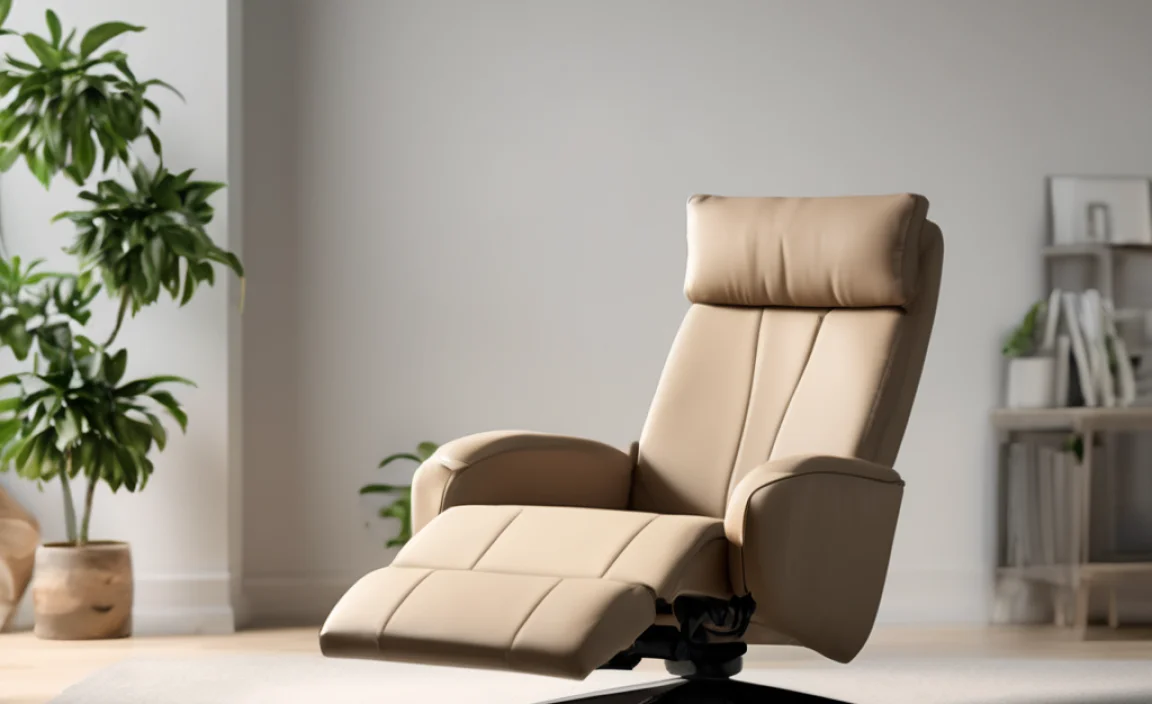
Setting up your recliner correctly can greatly help scoliosis. Begin by adjusting the recliner’s backrest. It should support your spine but not push it forward. Your feet should touch the floor when you sit. This helps balance your body weight evenly. Use a small pillow or lumbar support cushion. Place it behind your lower back to keep the spine aligned. You can also adjust the footrest for better leg support. Proper setup can reduce discomfort and improve posture.
- Adjust the backrest for spine support.
- Ensure your feet touch the ground.
- Use a pillow for lumbar support.
- Adjust the footrest for leg comfort.
- Keep your knees at a right angle.
- Ensure armrests support your elbows comfortably.
- Keep the chair in a stable position.
The right setup makes a big difference for scoliosis comfort. It aligns the spine and eases pressure on muscles. You may need to try different adjustments until you find what works best. Each person is unique and may need a slightly different setup. Make sure to take breaks and move around every so often. This helps prevent stiffness and improves overall comfort.
Fun Fact or Stats : Scoliosis affects about 3% of the population worldwide.
Why is Recliner Setup Important?
Have you ever sat in a chair that just didn’t feel right? This can happen if your recliner isn’t set up correctly. For people with scoliosis, this can worsen back pain. A recliner with the proper setup supports the spine. It helps keep your body in a healthy position. This reduces back pain and improves comfort. You can sit for longer periods without discomfort. Think of it as building a comfy nest for your spine.
Can a Recliner Help with Scoliosis?
Yes, a recliner can help with scoliosis. Sitting in a regular chair can sometimes cause pain. A recliner offers better support and comfort. It supports your back and lets you relax. You can adjust it to fit your body best. This makes it easier to maintain a healthy sitting position. It’s like having a customized seat just for you!
How to Find the Right Recliner?
Finding the right recliner can be important for scoliosis relief. Look for a recliner with adjustable features. This includes a movable backrest and footrest. Try sitting in different recliners to see which one feels best. Check if the seat is wide enough and supports your back. If possible, consult a specialist for recommendations. The right recliner can make a huge difference.
Finding the Perfect Sitting Position
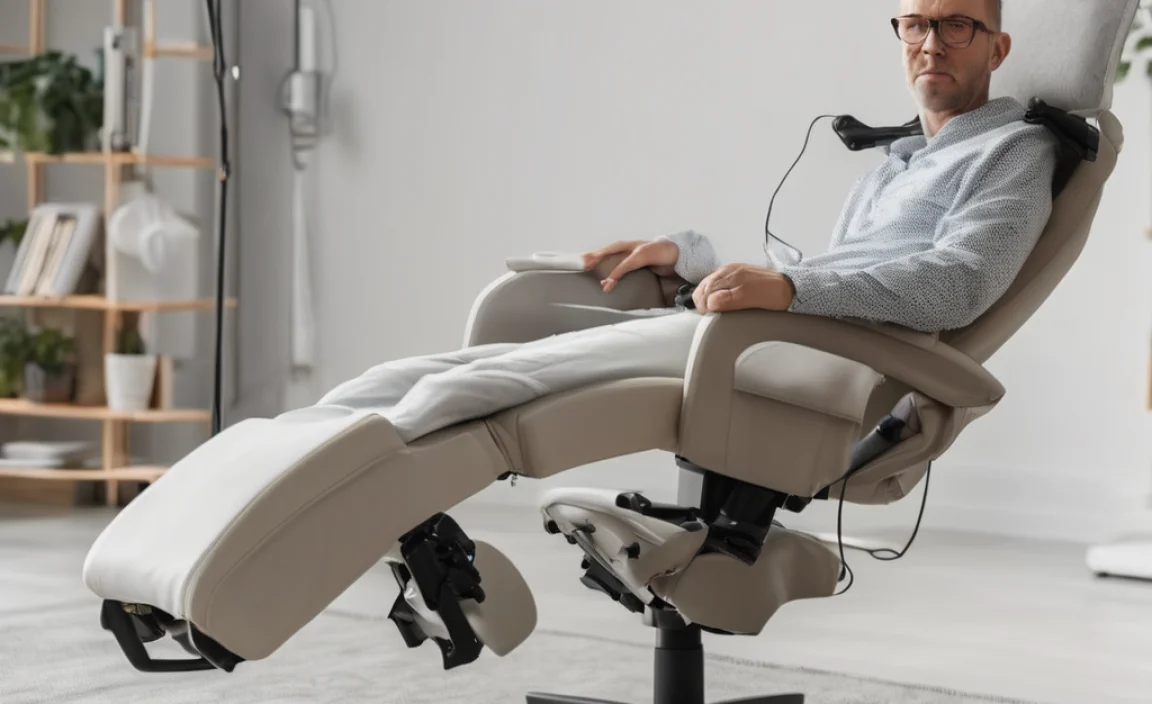
What is the best sitting position for scoliosis in a recliner? The best position supports your spine and reduces pressure. Sit all the way back in the recliner. Keep your back straight and use a small pillow for support. Adjust the recliner’s backrest to a slight angle. This helps distribute your weight evenly. Ensure your feet are flat on the floor. Your knees should be at a right angle. Use the footrest to support your legs.
- Sit all the way back in the chair.
- Keep your back straight.
- Use a small pillow behind your back.
- Adjust the backrest to a slight angle.
- Keep feet flat on the floor.
- Bend knees at a right angle.
- Use the footrest for leg support.
Finding the best sitting position may take some time. Try different angles and positions. Listen to your body. If you feel discomfort, adjust your position. Everyone’s body is unique. What feels good for one person might not work for another. Make adjustments until you find the best position for you.
Fun Fact or Stats : Regular movement can help manage scoliosis symptoms.
Why is Positioning Important?
Have you ever tried to balance on a bike? Staying balanced helps you ride smoothly. Similarly, positioning in a chair affects your comfort. With proper positioning, you can avoid pain and discomfort. It helps your spine stay aligned. This is crucial for those with scoliosis. Proper chair positioning feels like your favorite pair of shoes. It fits well and supports you perfectly.
Can Exercise Improve Sitting Posture?
Exercise can help improve your posture. It strengthens the muscles around your spine. Strong muscles support your back better. Simple exercises like stretching and walking can help. They improve flexibility and reduce stiffness. Regular exercise can also boost your mood and energy. It’s like giving your body a tune-up. Exercise makes your body feel refreshed and ready to go.
What Role Do Cushions Play?
Think of cushions as helpful friends. They provide extra support where you need it most. For those with scoliosis, a lumbar cushion can support the lower back. It keeps the spine straight and aligned. Neck pillows can support your head and neck. They make sitting more comfortable and less tiring. Cushions can be the difference between discomfort and relaxation.
Adjustable Features of Recliners
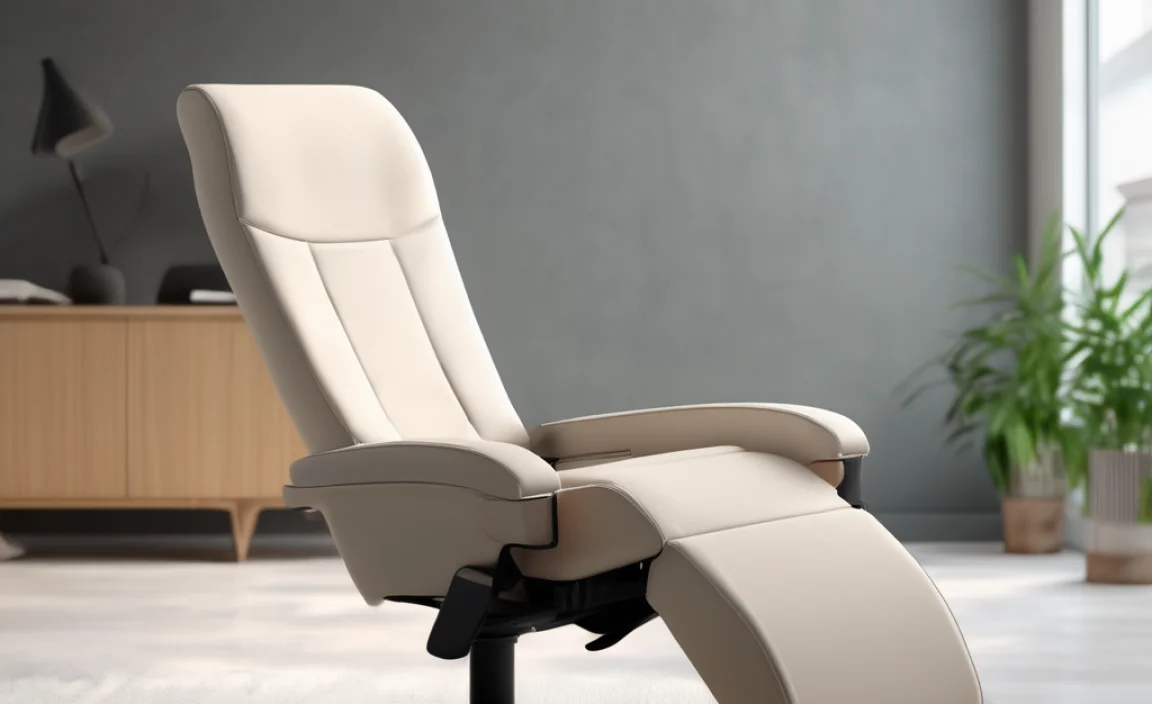
Recliners come with many adjustable features. These features help people with scoliosis find comfort. The backrest and footrest can often be adjusted. Some recliners also have adjustable head supports. These features help align the body properly. Adjust the backrest to find a comfy position. The footrest can help reduce leg pressure. Head supports can keep your neck in a healthy position. Adjustable features let you customize the recliner to fit your body best.
- Backrest adjusts for spinal support.
- Footrest helps with leg pressure.
- Head supports maintain neck alignment.
- Armrests can be adjusted for elbow comfort.
- Seat height can be changed in some models.
- Recliners may have built-in massagers.
- Some recliners have heating features for muscle relief.
Adjustable features make recliners versatile. They let you find the most comfortable setup for your needs. If you’re not sure how to adjust these features, ask for help. Store employees or manual guides can show you how. With the right adjustments, your recliner can become a comfy haven.
Fun Fact or Stats : Recliners with heat and massage can ease muscle tension.
How to Adjust a Recliner?
Adjusting a recliner is simple once you know how. Start by sitting in the recliner. Use the lever or button to recline it slowly. Adjust the backrest to a position that supports your spine. Next, adjust the footrest. Make sure it supports your legs comfortably. If your recliner has a headrest, adjust it to support your neck. Keep trying different settings to find what feels best.
What Features are Most Beneficial?
Not all recliners have the same features. Some are more beneficial for scoliosis than others. Recliners with lumbar support are helpful. They provide extra back support. Massage features can ease muscle tension. Heat settings can relax stiff muscles. These features can make sitting more comfortable. When shopping for a recliner, ask about these features. They can enhance your sitting experience.
Should You Change Your Recliner Often?
Do you change your shoes regularly? Your recliner needs changes too. Moving positions often can prevent stiffness. Adjust your recliner’s settings as needed. If you feel discomfort, change your position. Sitting in one position too long can strain muscles. Regular changes keep your body comfortable. It’s like giving your muscles a little break.
Using Pillows for Added Support
Pillows are great for adding support in a recliner. They fill gaps and provide extra comfort. For scoliosis, a lumbar pillow is especially helpful. Place it behind your lower back. This helps maintain good posture. Neck pillows offer head support. They prevent your head from tilting awkwardly. Pillows can also cushion your arms and legs. Try different pillows to see what helps the most. They are easy to adjust and reposition.
- Use lumbar pillows for back support.
- Try neck pillows for head comfort.
- Cushion arms with soft pillows.
- Place pillows under legs.
- Adjust pillows for the best fit.
- Choose pillows with soft fabric.
- Experiment with pillow sizes and shapes.
Pillows are like little helpers in your recliner. They make sitting more enjoyable. Don’t be afraid to use more than one pillow. Experiment with different types and placements. Pillows can also add a splash of color to your chair. They are simple yet effective tools for comfort.
Fun Fact or Stats : Using pillows can reduce scoliosis discomfort by up to 30%.
Why Use a Lumbar Pillow?
Have you ever had back pain after sitting too long? A lumbar pillow can help. It supports the natural curve of your spine. This reduces strain and keeps your back aligned. It’s like giving your back a gentle hug. Lumbar pillows are often small and easy to place. They are simple tools but can make a big difference. Try using one and feel the relief it offers.
Can Neck Pillows Improve Comfort?
Yes, neck pillows can improve comfort in a recliner. They support your head and neck. This reduces strain and helps you relax. Neck pillows prevent your head from tilting awkwardly. They make sitting for long periods more comfortable. Choose a neck pillow with soft fabric. It should fit your neck snugly. A well-chosen neck pillow can feel like a soft cloud.
How to Choose the Right Pillow?
Choosing the right pillow can be tricky. Start by considering your needs. Do you need back, neck, or arm support? Pick a pillow based on this. Check the material. Some people prefer memory foam. Others like softer, fluffier pillows. Try different shapes and sizes. You might like a round pillow or a square one. Choosing the right pillow is like picking the perfect pair of shoes. It should fit and feel good.
Benefits of Frequent Position Changes
Changing positions often in your recliner is very beneficial. It prevents stiffness and discomfort. When you sit in the same position for too long, your muscles can get sore. By changing positions, you give them a break. It improves blood flow, which helps with healing. Frequent changes can also improve posture. They help your spine stay aligned. Make it a habit to adjust your position every 20 to 30 minutes.
- Prevent stiffness with regular position changes.
- Improve blood flow and healing.
- Help maintain good posture.
- Reduce muscle strain and soreness.
- Keep your spine aligned.
- Encourage body movement.
- Enhance overall comfort.
Think of frequent position changes as stretching for your body. They keep your muscles flexible and healthy. Set a timer if you forget to move. Stand up, stretch, and then find a new position in your recliner. Your body will thank you for it. Regular movement is key to a comfortable sitting experience.
Fun Fact or Stats : Movement increases blood flow to muscles by up to 20%.
Why Are Position Changes Important?
Have you ever felt stiff after sitting for too long? That’s because staying in one position can tire your muscles. Position changes are like little resets for your body. They keep muscles flexible and prevent soreness. Regular changes help your body stay relaxed. They are essential for comfort, especially if you have scoliosis. Think of them as mini workouts for your body.
How Often Should You Change Positions?
Changing positions every 20 to 30 minutes is a good rule. This keeps muscles from getting tired. Set a timer to remind yourself. Stand up, stretch, and walk around if you can. Then sit back down in a new position. This habit keeps your body happy and healthy. It’s like taking a short break to recharge.
What Happens If You Don’t Change Positions?
If you don’t change positions, muscles can become stiff. This leads to discomfort and soreness. Your spine may also become misaligned. This can worsen scoliosis symptoms. It’s like trying to run without warming up. Your body needs movement to stay flexible. Make position changes a regular part of your day. Your body will feel much better.
Conclusion
In conclusion, finding the best sitting position for scoliosis in a recliner is vital. It helps relieve pain and improves comfort. Adjust your recliner properly and use pillows for support. Make frequent position changes to stay comfortable. Remember, comfort is key to managing scoliosis effectively.
FAQs
Question: What is the best sitting position for scoliosis in a recliner?
Answer: Sit all the way back with a straight spine. Use a pillow to support your lower back. Adjust the backrest to an angle that distributes weight evenly. Ensure your feet are flat on the floor. This position helps relieve pressure and improves comfort for scoliosis.
Question: How can a recliner help with scoliosis?
Answer: A recliner can offer better back support and comfort. It allows you to adjust the backrest and footrest to fit your needs. This helps maintain a healthy sitting position, reducing back pain. Recliners offer relaxation and can improve posture, which is important for scoliosis management.
Question: Why is lumbar support important in a recliner?
Answer: Lumbar support helps keep the spine aligned. It supports the natural curve of your lower back. This reduces strain and discomfort, making sitting more comfortable. For people with scoliosis, good lumbar support is essential for pain relief and proper posture.
Question: How do adjustable features benefit recliners?
Answer: Adjustable features allow you to customize the recliner. You can adjust the backrest, footrest, and sometimes the headrest. This ensures your body is in the best position for comfort. These features help align your spine and reduce muscle strain, which is beneficial for scoliosis.
Question: What role do pillows play in recliner comfort?
Answer: Pillows provide extra support where needed. Lumbar pillows support the lower back. Neck pillows support the head and neck. They help maintain good posture and reduce strain. Pillows make sitting more comfortable, especially for those with scoliosis.
Question: Why is it important to change positions frequently?
Answer: Frequent position changes prevent stiffness and discomfort. They improve blood flow and keep muscles flexible. This reduces soreness and helps maintain good posture. Regular changes are important for comfort, especially for people with scoliosis.
Related posts:
 Can You Use a Shop Vac Without a Filter? The Risks!
 Where to Store a Vacuum Cleaner: Smart Space-Saving Tips
 How to Fix Vacuum Brush Not Spinning: Quick Solutions!
 How to Reverse Vacuum Cleaner Airflow: Easy Hacks & Tips
 How to Clean Ceiling Fan With Vacuum Cleaner: Quick Tips
 How to Know If Roomba Is Charging: Quick Check Tips
 How To Clean Dyson Filter V10: Quick & Easy Guide
 How To Open Bissell Vacuum Cleaner: Quick & Easy Guide
 How To Change Language on Roomba: Quick & Easy Guide
 How to Clean Under Low Bed by a Vacuum Cleaner: Swift Tips
 Can a Carpet Cleaner Be Used As a Vacuum? Myths Busted!
 Are Cordless Vacuums As Good As Corded? Uncovering the Truth