

Have you ever watched a whitetail deer in the wild? They are graceful and fast. But have you ever wondered when do whitetail deer give birth? This is a fascinating part of their life. Let’s explore this together!
Key Takeaways
- Whitetail deer give birth in late spring or early summer.
- Most fawns are born between May and June.
- Does usually have one or two fawns per birth.
- Newborn fawns are well-camouflaged to avoid predators.
- Mother deer stay close to their fawns after birth.
When Do Whitetail Deer Give Birth?

Whitetail deer usually give birth from late spring to early summer. Most fawns are born in May and June. The timing is important. It helps the fawns have the best chance to survive. This time offers warmer weather and abundant food. The mother deer, called a doe, finds a safe spot to have her babies.
- Does are pregnant for about 200 days.
- They often seek hidden places for birthing.
- Fawns are usually born in pairs.
- They rely on their mothers for food and protection.
- Fawns stay hidden for a few weeks after birth.
Springtime is rich in resources. This helps the fawns grow strong. The doe carefully chooses the birthing spot. It offers protection from predators. After birth, mothers stay close to their young ones. They guide them and teach them how to survive in the wild.
Fun Fact or Stats: Whitetail deer fawns can stand and walk within hours of birth!
Why Do They Choose Spring?
Why do whitetail deer choose spring for giving birth? It’s simple. Spring offers new growth and plenty of food. This season also provides milder weather. Fawns need warm temperatures to thrive. The green forests and fields provide safety and nourishment. Does prepare for this time. They eat a lot to build strength before giving birth. Choosing spring is a smart survival strategy.
How Does a Doe Prepare?
Preparing for birth is crucial for a doe. She eats more to gain strength. This is important for her and her fawn’s health. Doe finds a secluded spot to give birth. This place needs to be hidden and safe. She also scouts areas with enough food. Her careful planning ensures her fawns have the best start in life. Nature equips her with the instincts to protect and provide.
What Challenges Do Fawns Face?
Fawns face many challenges after birth. They must hide from predators. Their spots help them blend into the environment. They are also dependent on their mothers for everything. Finding food and staying safe are big tasks. Weather can be a challenge too. Strong winds or heavy rain can be tough for them. But with their mothers’ help, they learn to manage these challenges.
How Do Whitetail Deer Raise Their Young?
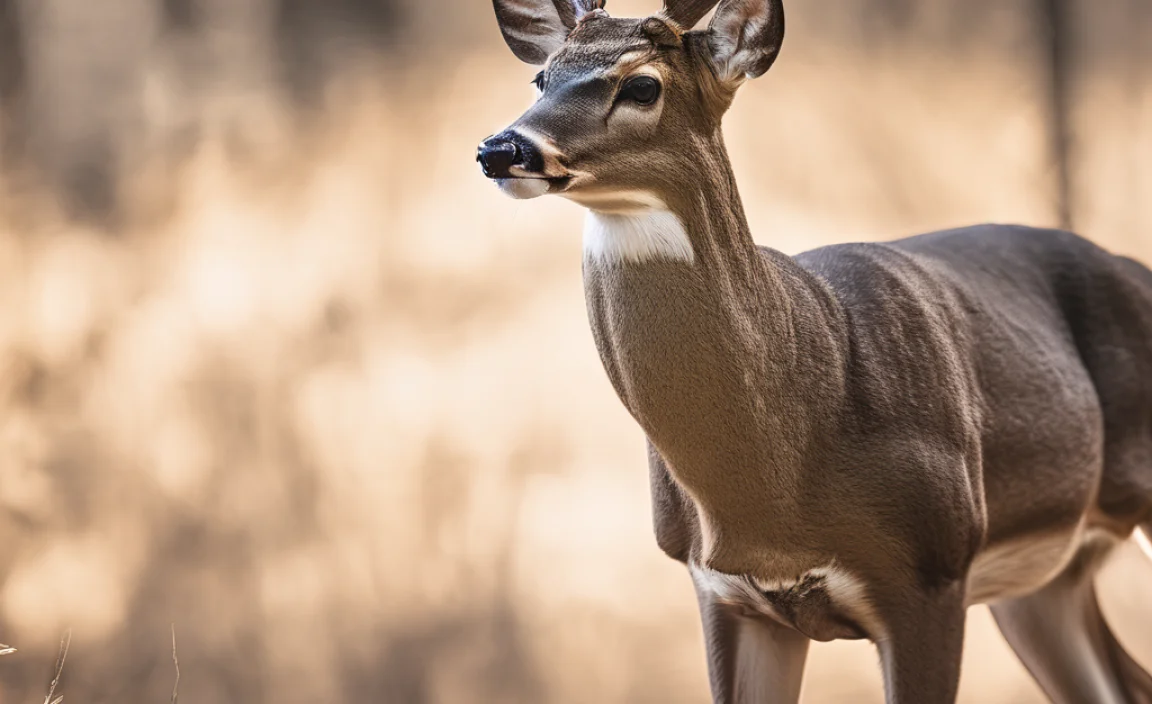
After birth, the doe stays close to her fawns. She feeds them and keeps them safe. The fawns depend on her milk for nutrients. They are born with white spots, which help them hide. These spots disappear as they grow. Fawns learn from their mothers. They watch her to understand how to find food and avoid danger.
- Fawns can stand shortly after birth.
- They nurse several times a day.
- Does lead fawns to safe feeding areas.
- Fawns develop quickly, gaining strength daily.
- Learning survival skills is crucial for them.
The bond between a doe and her fawn is strong. This connection is vital for the fawn’s survival. The first few months are crucial. During this time, the doe teaches by example. She shows them how to interact with their surroundings. The fawns learn to be alert and cautious.
Fun Fact or Stats: Fawns can outrun most predators by the age of six weeks!
Why Are Spots Important?
Ever wondered why fawns have spots? These white spots are not just for beauty. They serve as a camouflage. The spots help fawns blend with the forest floor. This makes it hard for predators to see them. The spots break up their outline, hiding them from danger. As they grow, the spots fade away. By then, the fawns are more capable of defending themselves.
How Do Fawns Learn?
Fawns learn by watching and copying their mothers. They observe how does find food and stay away from threats. This learning is vital for their survival. They practice running and hiding. Each day, they become better at these skills. The mother provides a sense of security. Her presence gives fawns the confidence they need to explore their world.
What Happens When Fawns Grow?
As fawns grow, they become more independent. They start to explore further from their mothers. They still rely on her for guidance. Gradually, they learn to find food on their own. By fall, they become part of the herd. This social structure teaches them how to interact with other deer. It is an important step in their development.
What Does the First Year Look Like?

The first year of a fawn’s life is full of learning. It starts with relying on the mother for everything. Gradually, they learn to forage. By six months, they start to eat more plants. As they grow, they get stronger and quicker. Their spots fade, and they gain confidence. By one year, they are ready to face more challenges.
- Fawns explore more as they grow.
- They shift from milk to solid foods.
- Young deer join the herd in fall.
- They learn social behaviors from older deer.
- Survival skills improve over time.
During this time, fawns become part of a group. This social connection is important. Herds provide protection and learning opportunities. Older deer help guide young ones. This community learning supports their development. It is essential for their growth into adulthood.
Fun Fact or Stats: Fawns gain about 50 pounds in their first year!
Why Is the First Year Critical?
The first year is crucial for survival. This period is when fawns learn the most. They must master finding food and escaping predators. The skills they gain during this time determine their future success. The lessons they learn are essential. Without them, they cannot survive. This year sets the foundation for their entire lives.
How Do Fawns Change Physically?
Fawns undergo many physical changes in their first year. They grow bigger and stronger. Their legs become more powerful. The white spots on their fur disappear. They develop a thicker coat for winter. These changes enable them to adapt to seasonal challenges. As they grow, they become more resilient. These physical transformations are vital for survival.
What Role Do Other Deer Play?
Other deer play a big role in a fawn’s life. Herd members help teach social skills. Older deer provide examples for the young ones to follow. They show fawns how to find food and stay safe. This community learning is vital. It ensures that young deer integrate well into the herd. It helps them become successful adults.
Understanding the Life Cycle
The life cycle of whitetail deer is amazing. It starts with birth in spring. The fawns grow rapidly through the summer. By fall, they are part of the herd. Each stage has its challenges. Understanding this cycle helps us appreciate their journey. It reveals the beauty of nature’s plan.
- Birth occurs in late spring.
- Fawns grow quickly over the summer.
- By fall, they join the herd.
- Each stage has specific challenges.
- The cycle repeats annually.
Each phase is important in its own way. From birth to adulthood, every season brings new lessons. The cycle repeats, ensuring the continuation of the species. This process highlights the balance in nature. It shows how everything works together to sustain life.
Fun Fact or Stats: Whitetail deer can live up to 11 years in the wild!
Why Is This Cycle Important?
The life cycle of a whitetail deer is crucial for the species. It ensures that new generations are born. This cycle maintains the deer population. It also supports the balance of ecosystems. Each stage prepares the deer for the challenges ahead. This preparation is necessary for their survival and prosperity.
How Does the Cycle Affect Other Animals?
The whitetail deer’s life cycle affects many other animals. As deer reproduce, they provide food for predators. Their presence influences plant growth and availability. This cycle affects the whole ecosystem. It creates a chain of connections. Each part of the web is crucial for the health of the environment.
What Can We Learn from Deer?
Deer teach us about survival and adaptation. Their life cycle shows resilience and strength. Observing them helps us understand nature’s balance. We learn the importance of each season. Deer remind us how interconnected we are with the environment. They inspire us to appreciate and protect our natural world.
| Stage | Time of Year | Main Activity | Challenges |
|---|---|---|---|
| Birth | Spring | Fawns are born | Hiding from predators |
| Growth | Summer | Learning from mothers | Finding food |
| Integration | Fall | Joining the herd | Social learning |
| Survival | Winter | Enduring cold | Lack of food |
Conclusion
When do whitetail deer give birth? They usually give birth in late spring. This season offers the best chance for survival. Fawns grow and learn quickly. They become independent and join the herd. Every step in their life cycle is important. Understanding this cycle helps us appreciate these beautiful creatures.
FAQs
Question: When do whitetail deer give birth?
Answer: Whitetail deer typically give birth in late spring. Most births occur in May and June. This timing ensures the fawns have the best chance at survival. The weather is warmer and food is abundant, aiding in their development.
Question: How many fawns do whitetail deer usually have?
Answer: Whitetail deer usually have one or two fawns per birth. Twins are common, but sometimes does may have triplets. The number depends on the doe’s health and environmental conditions. Each fawn requires significant care from its mother.
Question: How long do fawns stay with their mothers?
Answer: Fawns stay with their mothers for several months. They rely on the doe for milk and protection. By fall, they start becoming more independent. However, they often stay near their mothers for up to a year or more.
Question: Why are fawns born with spots?
Answer: Fawns are born with spots for camouflage. The white spots help them blend into the forest floor. This makes it harder for predators to spot them. The spots fade as the fawns grow and become more self-sufficient.
Question: What do fawns eat after birth?
Answer: Initially, fawns rely on their mother’s milk for nutrition. As they grow, they start nibbling on plants and grasses. By six months, they eat more solid foods. This diet shift helps them gain strength and independence.
Question: How do fawns learn survival skills?
Answer: Fawns learn survival skills by watching their mothers. They observe how does find food and sense danger. This learning is essential for their survival. They practice these skills, becoming better with time and experience.
Related posts:
 Can You Use a Shop Vac Without a Filter? The Risks!
 Where to Store a Vacuum Cleaner: Smart Space-Saving Tips
 How to Fix Vacuum Brush Not Spinning: Quick Solutions!
 How to Reverse Vacuum Cleaner Airflow: Easy Hacks & Tips
 How to Clean Ceiling Fan With Vacuum Cleaner: Quick Tips
 How to Know If Roomba Is Charging: Quick Check Tips
 How To Clean Dyson Filter V10: Quick & Easy Guide
 How To Open Bissell Vacuum Cleaner: Quick & Easy Guide
 How To Change Language on Roomba: Quick & Easy Guide
 How to Clean Under Low Bed by a Vacuum Cleaner: Swift Tips
 Can a Carpet Cleaner Be Used As a Vacuum? Myths Busted!
 Are Cordless Vacuums As Good As Corded? Uncovering the Truth