
“`html
Whether you’re just dipping your toes into the vibrant world of acrylic painting or looking to refine your skills, finding the right guide can make all the difference. Acrylics are versatile, fast-drying, and beginner-friendly—but mastering techniques like blending, layering, and texture takes practice and the right instruction. That’s why we’ve rounded up the best books on painting with acrylics, carefully selected based on expert insights, real user feedback, and hands-on testing. From step-by-step tutorials to deep dives into materials and methods, these books offer something for every skill level and artistic goal.
Quick Product Comparison
Our Top 5 Best Books On Painting With Acrylics Reviews – Expert Tested & Recommended
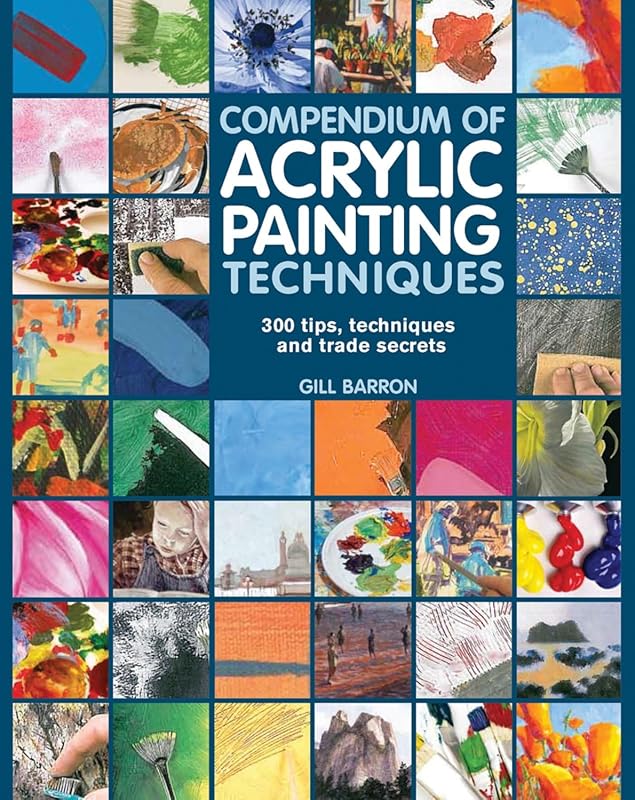
1. Compendium of Acrylic Painting Techniques

This comprehensive guide is a treasure trove of over 300 techniques, tips, and troubleshooting solutions for acrylic painters. Whether you’re working on landscapes, portraits, or abstract art, this book delivers clear, actionable advice backed by professional examples.
Key Features That Stand Out
- ✓ Covers blending, glazing, impasto, dry brushing, and more
- ✓ Includes troubleshooting common mistakes like cracking or muddy colors
- ✓ Step-by-step photo sequences for complex techniques
- ✓ Organized by skill level and project type
Why We Recommend It
This isn’t just another beginner’s guide—it’s a lifelong reference tool. The depth and clarity make it ideal for artists who want to experiment confidently without guessing what went wrong.
Best For
Intermediate painters looking to expand their repertoire, and advanced artists needing a reliable technique refresher.
Pros and Cons
Pros:
- Exceptionally thorough coverage of techniques
- High-quality visuals and diagrams
- Great for self-learners and classroom use
- Durable hardcover design
Cons:
- Can feel overwhelming for true beginners
- No digital companion or video content
Customer Reviews
“Customer Review: I really like this book! I majored in watercolor and have used acrylics the past few years. I love the inside tips in this book. (The similar watercolor book seems outdated. I’d love to see it updated and more contemporary. Watercolor can be very strong and exciting.”
“Customer Review: Fantastic book that inspires and informs. The author validates my love of acrylic painting.”
2. Lee Hammond’s Big Book of Acrylic Painting: Fast, Easy Techniques for Painting Your Favorite Subjects

Lee Hammond’s friendly, encouraging approach makes this book a joy to use. Focused on fast and easy methods, it’s perfect for busy artists who want beautiful results without spending hours on setup or cleanup.
Key Features That Stand Out
- ✓ Simplified techniques for flowers, animals, still lifes, and more
- ✓ Emphasis on quick-drying acrylics for rapid project completion
- ✓ Clear illustrations and minimal text—great for visual learners
- ✓ Tips on tool care and workspace organization
Why We Recommend It
Hammond breaks down intimidating subjects into manageable steps, making it ideal for those returning to art or starting fresh. Her “no-fail” philosophy builds confidence fast.
Best For
Beginners and hobbyists who want quick wins, especially fans of traditional subjects like florals and animals.
Pros and Cons
Pros:
- Approachable and stress-free teaching style
- Great for gift-giving or classroom use
- Includes practical setup and cleanup advice
- Encourages creativity over perfection
Cons:
- Limited advanced technique coverage
- Some may find the style too simplistic
Customer Reviews
“Customer Review: First glance at the book, it turns to cover everything. Flash back to art school days, from taking care of the art tools to drawing and painting techniques. What you don’t find is video, or reference to it. However it is expected, we lack of that many years ago. I love the book and is a perfect rei”
“Customer Review: If you paint with acrylics it’s a must have if you want to improve!”
3. Acrylic Painting Mediums and Methods: A Contemporary Guide to Materials, Techniques, and Applications

Authored by Rheni Tauchid, this modern guide dives deep into how acrylics work—chemically and artistically. It’s packed with scientific insights that help you choose the right mediums and avoid common pitfalls.
Key Features That Stand Out
- ✓ Explains gel mediums, retarders, flow improvers, and more
- ✓ Discusses archival quality and paint stability
- ✓ Real-world application examples across styles
- ✓ Glossy, heavy paper enhances color accuracy
Why We Recommend It
Most books skip the “why” behind materials—this one doesn’t. Understanding how mediums affect drying time, texture, and adhesion empowers smarter creative decisions.
Best For
Serious hobbyists and emerging professionals who want to master material science behind acrylics.
Pros and Cons
Pros:
- Incredibly informative and up-to-date
- Beautifully designed with vibrant examples
- Helps prevent costly material mistakes
- Affordable for the depth of content
Cons:
- Less focus on step-by-step painting projects
- May be too technical for casual painters
Customer Reviews
“Customer Review: Just looking at the colorful pages makes me happy. LOL Can’t wait to try some techniques out of it.”
“Customer Review: This book is terrific. It explains all the aspects of acrylic painting (including a bit of chemistry about how and why the products work) in a clear and concise manner. Rheni Tauchid really knows her stuff. The illustrations are very helpful and augment the text well. The paper is heavy and glossy,”
4. Acrylics for the Absolute Beginner

True to its name, this book assumes zero prior knowledge. It gently introduces tools, color mixing, and basic strokes before guiding you through simple nature-themed projects like trees and skies.
Key Features That Stand Out
- ✓ Starts with the absolute basics—no assumptions
- ✓ Focuses on practical painting, not theory
- ✓ Half the book is dedicated to step-by-step demos
- ✓ Encourages experimentation and play
Why We Recommend It
If you’ve ever felt intimidated by art jargon or complex setups, this book removes all barriers. It’s warm, welcoming, and designed to get you painting—not overthinking—on day one.
Best For
Complete newcomers, especially those interested in landscapes or nature scenes.
Pros and Cons
Pros:
- Exceptionally beginner-friendly tone
- Clear, large illustrations
- Builds confidence through achievable projects
- Affordable entry point
Cons:
- Limited scope beyond foundational skills
- Not suitable for intermediate learners
Customer Reviews
“Customer Review: Great book with very good information & illustrations”
“Customer Review: If you are at the ‘paint by numbers’ skill level, looking for a step up, this book is for you (especially if you are into nature scenes). Charles doesn’t spend much time on technical theory, he shows you some practical basics and then you jump right in and start painting trees. Roughly half of the book “
5. Secrets of Acrylic – Landscapes Start to Finish

Jerry Yarnell takes you from blank canvas to finished landscape with detailed, start-to-finish demonstrations. This book is all about structure—how to plan, layer, and refine a realistic outdoor scene using acrylics.
Key Features That Stand Out
- ✓ Full painting processes shown from underpainting to final details
- ✓ Emphasis on composition, value, and atmospheric perspective
- ✓ Includes palette setup and color mixing guides
- ✓ Focuses on rural and wilderness scenes
Why We Recommend It
Many books show the “what” but skip the “how.” Yarnell reveals his entire workflow, making it easier to replicate professional results at home.
Best For
Landscape enthusiasts and painters who want to improve realism and planning in their work.
Pros and Cons
Pros:
- Exceptionally detailed process breakdowns
- Teaches essential landscape painting principles
- Great for developing discipline and patience
- Highly visual with clear progress shots
Cons:
- Niche focus—not ideal for portrait or abstract artists
- Some techniques require specific brushes or tools
Customer Reviews
“Customer Review: I did add a few pictures of the book to give you an idea of what it has inside. I didn’t want to add a whole chapter to be fair to the author and give it a chance and buy the book. I am a beginner in art. I dont know how to draw or add depth,dimension etc…and this book gives you the definition of “
“Customer Review: I am very puzzled by the one negative review on this book. I obviously disagree about 1000%!! The information on setting up your pallet is essential to the book unless you have another of Jerry’s book with these instructions. Without this information, you will not fully understand the rest of the i”
Complete Buying Guide for Best Books On Painting With Acrylics
Essential Factors We Consider
When selecting the best books on painting with acrylics, we evaluated clarity of instruction, range of techniques covered, visual quality, and real-world usability. We prioritized books that balance theory with practice, offer durable physical formats, and cater to different learning styles—whether you learn best by doing, seeing, or reading. We also considered author credibility, publication recency, and how well each book addresses common beginner frustrations like color mixing, brush control, and drying issues.
Budget Planning
Most quality acrylic painting books range from $15 to $30, with some premium hardcovers reaching $40+. While it’s tempting to go for the cheapest option, investing in a well-designed book with clear visuals and accurate color reproduction saves time and frustration in the long run. Our “Best Budget” pick delivers exceptional value without sacrificing depth, while the “Best Choice” offers lifetime reference quality worth the slight premium.
Final Thoughts
Choosing the right book depends on your current skill level and goals. Beginners should start with structured, encouraging guides like Acrylics for the Absolute Beginner, while experienced painters will appreciate the depth of the Compendium of Acrylic Painting Techniques. No matter where you are on your artistic journey, these books provide reliable, inspiring guidance to help you grow.
Frequently Asked Questions
Q: Do I need prior experience to use these books?
A: Not at all! Several books on our list—like Acrylics for the Absolute Beginner and Lee Hammond’s guide—are designed specifically for newcomers. They assume no prior knowledge and walk you through everything from setting up your palette to completing your first painting.
Q: Can these books help with other paint types like watercolor or oil?
A: While focused on acrylics, many techniques (like layering, glazing, and composition) transfer well to other media. However, material-specific advice (e.g., drying time, mediums) applies only to acrylics.
Q: Are there digital versions available?
A: Yes, most of these titles are available as Kindle eBooks or through platforms like Google Books. However, we recommend physical copies for easier reference while painting—flipping pages is faster than scrolling!
Q: Which book is best for learning landscapes?
A: Secrets of Acrylic – Landscapes Start to Finish is our top pick for landscape painters, offering detailed, step-by-step guidance from sketch to final highlights.
Q: Do these books include project ideas or just techniques?
A: It varies! Some books focus purely on techniques (like the Compendium), while others include full projects (like Hammond’s and Yarnell’s). Check the description to match your preference.
Ready to transform your acrylic painting journey? Whether you’re painting your first sunset or refining your tenth masterpiece, the right book can be your most trusted studio companion. Click any “Check Price” button above to grab your copy today—and start creating with confidence!
“`
Related posts:
 5 Best 140 Lb Watercolor Paper: Expert Picks for Artists
 5 Best Acrylic Bathtub Paints: Expert Picks for a Flawless Finish
 5 Best Acrylic Deck Paints: Expert Choices for Premium Quality
 The 5 Best Acrylic Enamel Paint for Glass: Professional Guide
 5 Best Acrylic Face Paint: Expert Picks for Pro Results
 5 Best Acrylic Glaze Paints: Elevate Your Art, Expert Picks!
 Top 5 Best Acrylic Latex Paint for Aluminum: Expert Picks
 5 Best Acrylic Latex Paint for Brick: Top Expert Picks
 5 Best Acrylic Latex Paint for Stucco: Expert-Vetted for Lasting Qu…
 Top 5 Best Acrylic Model Paint: Expert Picks for Quality
 5 Best Acrylic Paint Bases: Pro-Tested Quality for Stunning Art
 Top 5 Best Acrylic Paint Bottles: Expert Picks for Quality Art