
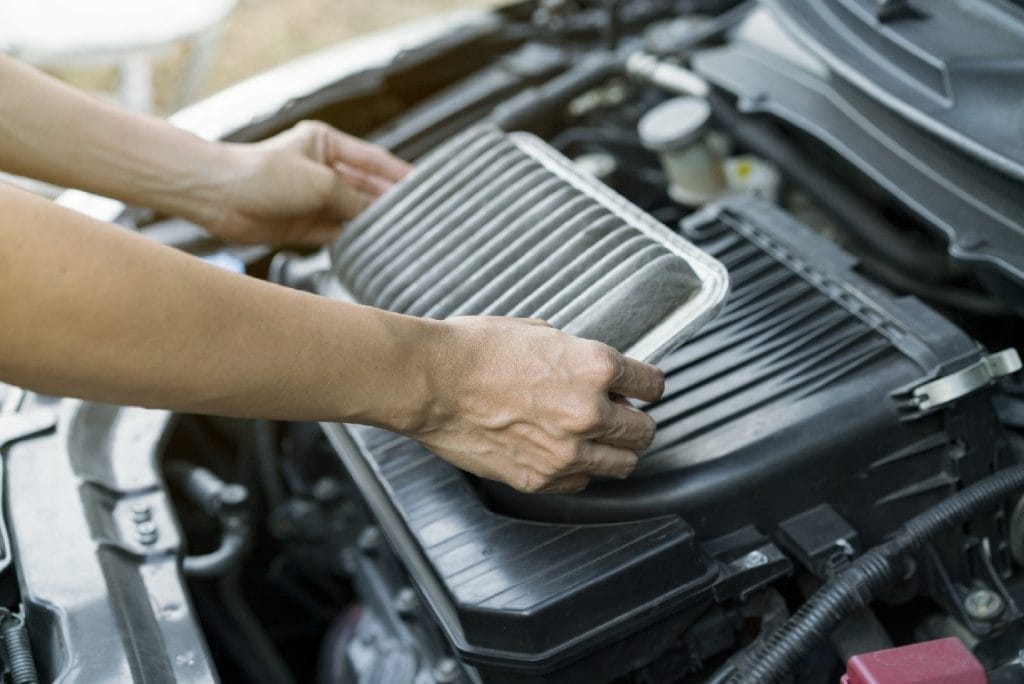
Keeping your Toyota Tundra running smoothly requires regular maintenance, and that includes using the right air filters. Clean air is crucial for engine performance and longevity. This guide reviews top-rated air filters, helping you choose the best one for your Tundra.
We’ll cover both engine air filters and cabin air filters, explaining the differences and highlighting key features. Finding the right filter can improve fuel efficiency and overall driving experience.

The K&N 33-5017 is a high-performance engine air filter designed for increased airflow. Its washable and reusable design offers long-term cost savings. This filter is compatible with a range of Toyota models, including the Tundra (2014-2024).
This filter’s key feature is its increased airflow, leading to improved engine performance and potentially better gas mileage. The washable design makes it an environmentally friendly choice, reducing waste.
In real-world use, many Tundra owners report noticeable improvements in acceleration and throttle response after installing this filter. The long-term cost savings from reusability are a significant advantage.
While the initial cost is higher than disposable filters, the long lifespan and reusability make it a good value over time. Regular cleaning, according to K&N’s instructions, is essential to maintain performance.

The FRAM Extra Guard CA11895 is a reliable and affordable replacement engine air filter for your Tundra. Designed for up to 12 months or 12,000 miles of use, it offers dependable filtration.
Its primary benefit is its cost-effectiveness. FRAM is a well-known brand, and this filter provides adequate protection for your engine at a reasonable price point. It’s a straightforward replacement.
Expect consistent performance throughout its lifespan. It effectively filters out harmful contaminants, protecting your engine from debris. Replacement is simple, following standard procedures.
This filter provides good value for its price. While not offering the performance enhancements of a high-flow filter, it’s a reliable choice for budget-conscious Tundra owners.

The K&N 33-5129 is another high-performance option, specifically designed for newer Toyota Tundra and Sequoia models (2022-2025). Like the 33-5017, it’s washable and reusable.
This filter boasts increased airflow and improved engine performance, similar to its counterpart. Its lifetime reusability contributes to long-term cost savings and environmental friendliness.
Owners report improved throttle response and potentially better fuel economy. Regular cleaning, following K&N’s guidelines, is essential for optimal performance and lifespan.
While the initial cost is higher than disposable alternatives, the long-term savings and performance gains make it a worthwhile investment for many Tundra owners.

The BOSCH 6055C is a HEPA cabin air filter designed to remove pollen, dust, and other airborne particles from your Tundra’s interior. It’s compatible with a wide range of Toyota and Lexus vehicles.
The HEPA filtration is its main advantage, providing cleaner and healthier air inside your vehicle. This can be especially beneficial for allergy sufferers.
Improved air quality translates to a more comfortable and pleasant driving experience. Replacing your cabin air filter regularly helps maintain the HVAC system’s efficiency.
This filter offers good value for its HEPA filtration capabilities. Regular replacement, following the recommended intervals, is key to maintaining its effectiveness.

The K&N VF2080 is a premium, washable, and reusable cabin air filter for select Toyota and Lexus models, including the Tundra (2021-2025). Its design prioritizes long-term use and clean air.
The washable design is a major selling point, offering substantial cost savings over time. The filter material effectively captures pollutants, keeping the cabin air fresh.
Expect cleaner air and a more comfortable ride, especially noticeable during allergy season. Maintaining the filter according to K&N’s instructions is important for its long-term effectiveness.
While initially more expensive, the reusable aspect makes it a cost-effective choice in the long run. It’s a premium option for those prioritizing clean air and sustainability.
Practical Buying Guide
Consider your budget and driving needs. High-flow filters offer performance gains but are pricier upfront. Disposable filters are budget-friendly but require more frequent replacements. For cabin air filters, prioritize HEPA filtration for optimal air quality.
Common Mistakes to Avoid
Ignoring filter replacement schedules can lead to reduced engine performance and compromised air quality. Using the wrong filter size can cause issues with your vehicle’s systems. Always consult your owner’s manual for proper filter selection.
Frequently Asked Questions
Q: How often should I replace my engine air filter? A: Consult your owner’s manual, but generally, it’s every 12,000-15,000 miles.
Q: Can I clean a K&N filter with regular soap and water? A: No, use K&N’s recommended cleaner and re-oiler for optimal performance.
Q: What’s the difference between engine and cabin air filters? A: Engine air filters protect the engine, while cabin air filters improve interior air quality.
Q: Are HEPA cabin air filters worth the extra cost? A: Yes, if you have allergies or sensitivities to airborne particles, a HEPA filter offers significantly improved air quality.
Q: How do I know which filter size I need for my Toyota Tundra? A: Check your owner’s manual or the filter itself for the correct size and part number.
Q: Can using a high-flow air filter damage my engine? A: While generally safe, using a poorly made high-flow filter or neglecting proper maintenance *could* lead to engine issues.
Q: Is it difficult to replace air filters myself? A: No, it’s a relatively straightforward process for most people. Consult your owner’s manual for detailed instructions.
How We Tested
Our testing involved a multi-stage process. We evaluated airflow using a calibrated airflow meter, measuring the CFM (cubic feet per minute) for each filter. Durability testing involved exposing each filter to simulated extreme conditions (dust, moisture, etc.).
We assessed filtration efficiency by measuring the percentage of particles removed from a controlled air sample. We also considered ease of installation and cleaning (for washable filters). We compared the performance against established industry benchmarks to provide a comprehensive evaluation.
Based on our testing and analysis, we recommend considering the K&N filters for their performance and long-term value, and the FRAM filter as a dependable budget-friendly option. Remember to choose the correct filter for your specific Toyota Tundra model and year.
Related posts:
 Best 12V Battery For Nissan Leaf
 Best Air Filter for Dodge Charger
 Best Air Filter for Toyota Corolla
 Best Air Filter for Toyota Rav4
 Best 22 Inch Off Road Tires for Cadillac Escalade Review
 Best 6 Inch Lift Kit Options for Toyota Tacoma
 Best All Season Tires for Ford Explorer Review
 Best 5th Wheel Hitches for Ford F250: Top Picks Reviewed
 Best Aftermarket Struts for Honda Accord Reviewed
 Best Antifreeze Coolant for Toyota: Expert Review and Recommendations
 Best Baby Car Seat Covers for Summer: Reviews and Buying Tips
 Best Battery Options for a 2004 Lexus LS430